Accessibility often gets treated like a checkbox. Something you bolt on at the end of a project, right before launch, when everyone’s rushing to get committed features out the door.
But you can’t bolt on a foundation. You build on one.
When accessibility is an afterthought, you end up rebuilding things. Twice. Sometimes three times. And the users who needed those features from day one? They’ve already moved on to your competitors.
Many people underestimate how many users this actually affects. The mental image is someone with a white cane or a guide dog. But most disabilities aren’t visible. Many people have conditions that affect how they use everyday technology. A significant number don’t disclose their disability, because the stigma is still very real.
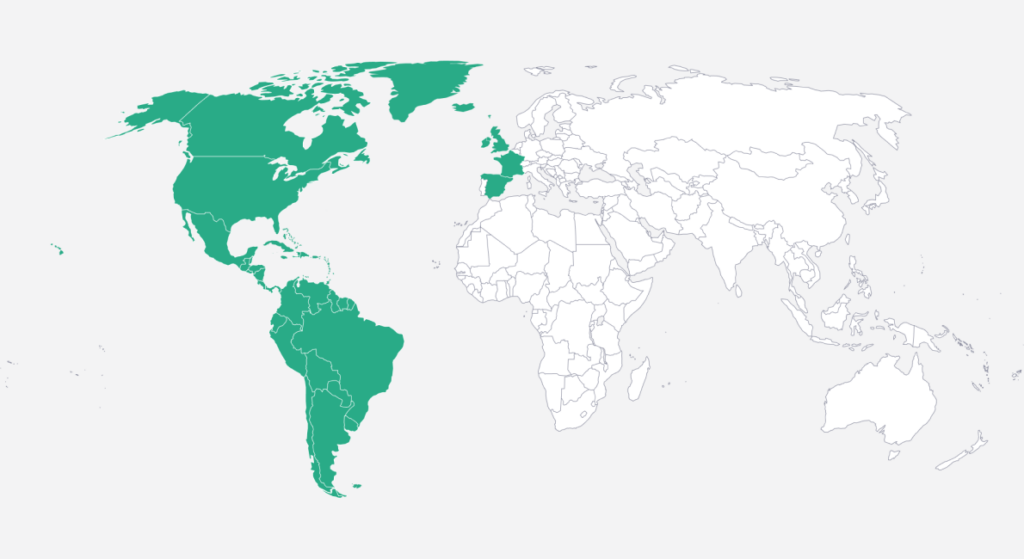
The Centers for Disease Control (CDC) estimates 28.7% of Americans have a disability. The World Health Organization (WHO) puts the global figure at 16%, which works out to roughly 1.3 billion people. That’s approximately the combined populations of North America, South America, Greenland, Iceland, Ireland, the United Kingdom, France, and Spain.
We wouldn’t design software that ignored that many people in any other context. Why are we comfortable doing it here?
Disability isn’t something that only affects other people. It’s not a fixed category. Vision naturally deteriorates with age, making small text and low contrast genuinely harder to read. Arthritis makes precise clicking harder. A sprained wrist can make a keyboard unusable for weeks. At some point, most of us will experience some form of disability, temporarily or permanently.
The teams that get this right don’t treat accessibility as a separate workstream. They bake it into design reviews, into component libraries, into how they write acceptance criteria, and into their QA testing. Accessibility stops being a project and starts being a practice.
When accessibility is a practice, something shifts. Your team stops asking “did we do accessibility?” and starts asking “did we do this right?” Those are very different questions.
Accessibility isn’t a feature you add. It’s a foundation you build on. The earlier you lay it, the less it costs you later, in time, in money, and in the trust of your users.
What’s one thing your team could do this week to move the needle?