Writing
Notes on the craft and practice of product design.
-
Why your design process documentation is a product too
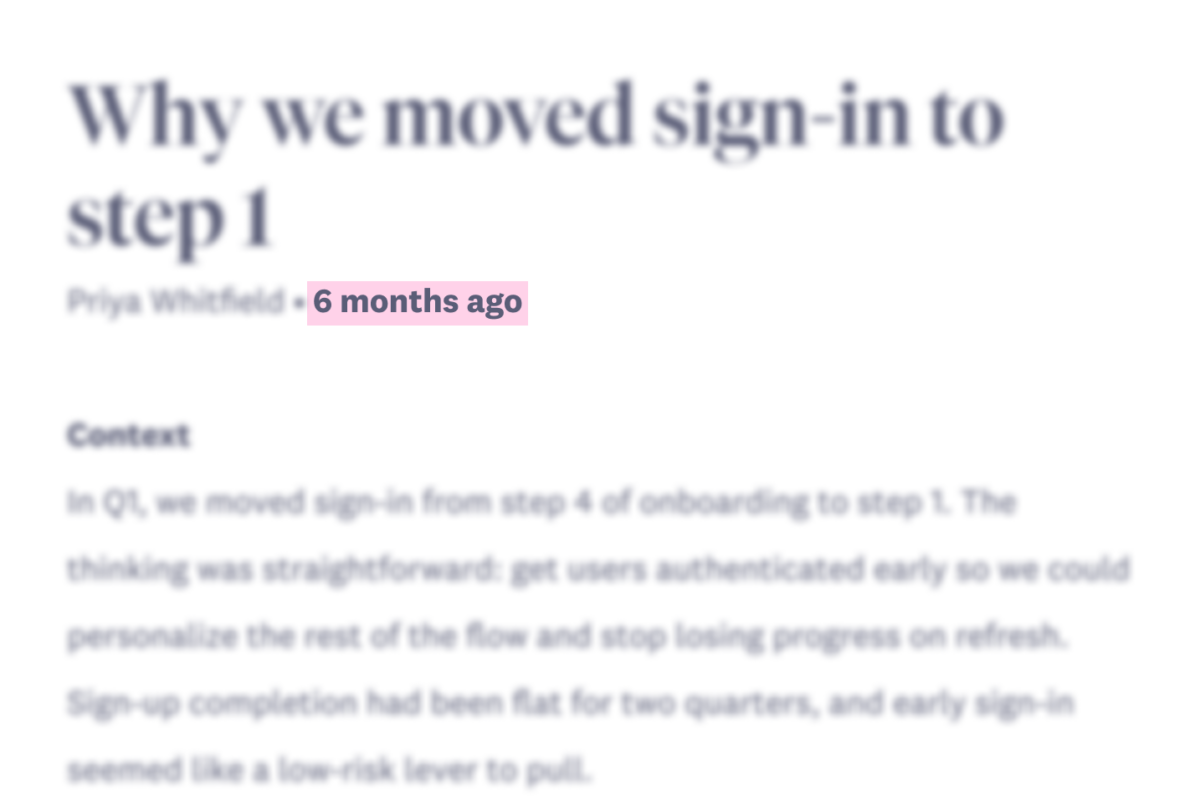
I once had to tell a new hire that 3 days of work were based on a decision we’d reversed 6 months earlier. The documentation still said the old version. Nobody had gone back to fix it.
Read essay → -

How I include accessibility in design reviews
A few years ago I sat through a design review where someone spent ten minutes debating a shadow’s blur radius. Ten minutes. Accessibility got one line at the end: “oh, and make…
Read essay → -

Why localization is a design problem, not just a translation problem
Every team I’ve worked with thinks of localization the same way. You design the product, you send strings to a translator, and then you ship. Translation is the last step. Almost an…
Read essay → -

Why sponsorship matters more than mentorship
Most designers I know have had mentors. Very few have had a real sponsor. Even fewer have been one. A sponsor isn’t someone who gives you advice or checks in on your…
Read essay → -

Why keyboard navigation should be designed, not just tested
Most teams treat keyboard navigation as something QA checks at the end of a project. Tab through it. See if anything breaks. File a ticket if it does. What you end up with is a product that passes the check and still frustrates the people who need it most.
Read essay → -
How I decide when a design is “done enough” to ship
Waiting until a design feels done is how you miss the window. "Done enough" is a real standard, but it’s one most designers aren’t taught.
Read essay → -

Why “move fast and break things” breaks design
I've watched teams ship broken flows at impressive speed. The velocity was real. So was the cleanup. "Move fast and break things" made sense for shipping software experiments. It was never meant to be a design philosophy.
Read essay → -
When to design for edge cases, and when to cut them
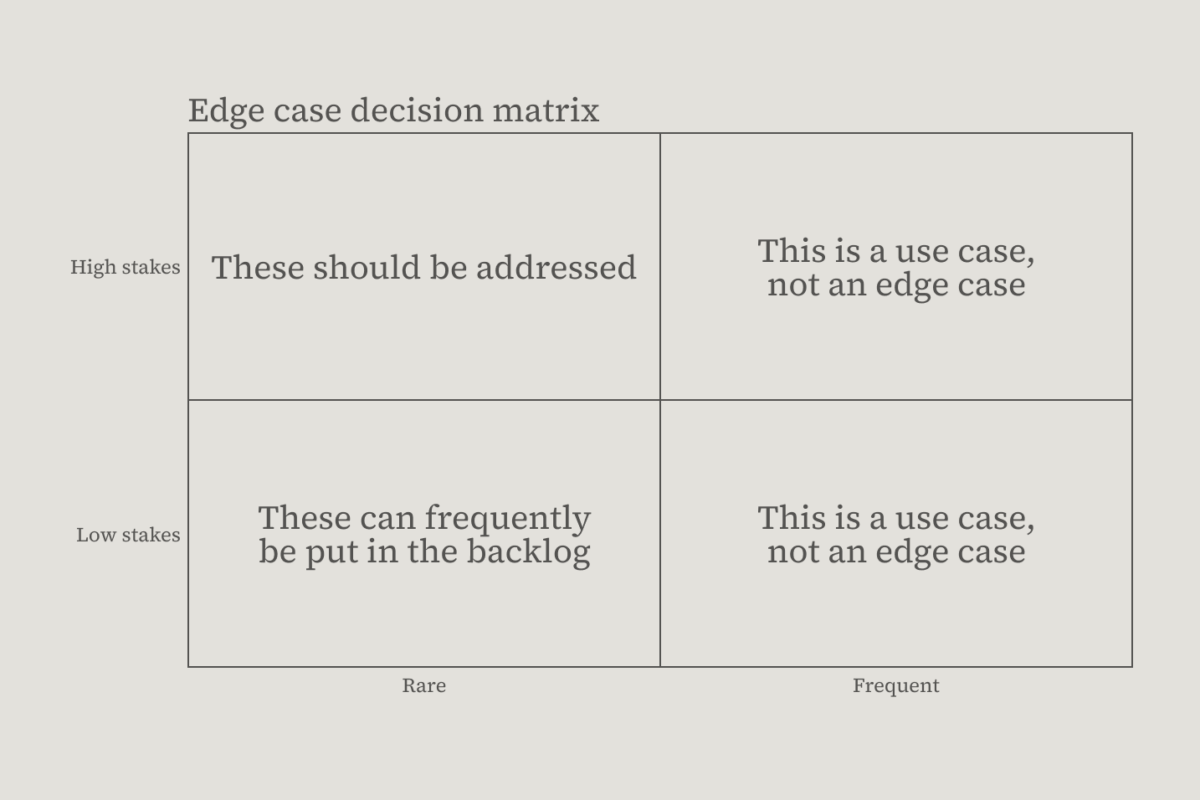
Most edge cases don't hurt teams because they were cut. They hurt because nobody ever made a decision about them.
Read essay → -

Signs a junior designer is ready to level up
The shift from “doing the work” to “owning the problem” doesn’t happen overnight. But you’ll know it when you see it.
Read essay → -
Why I still use paper in my process
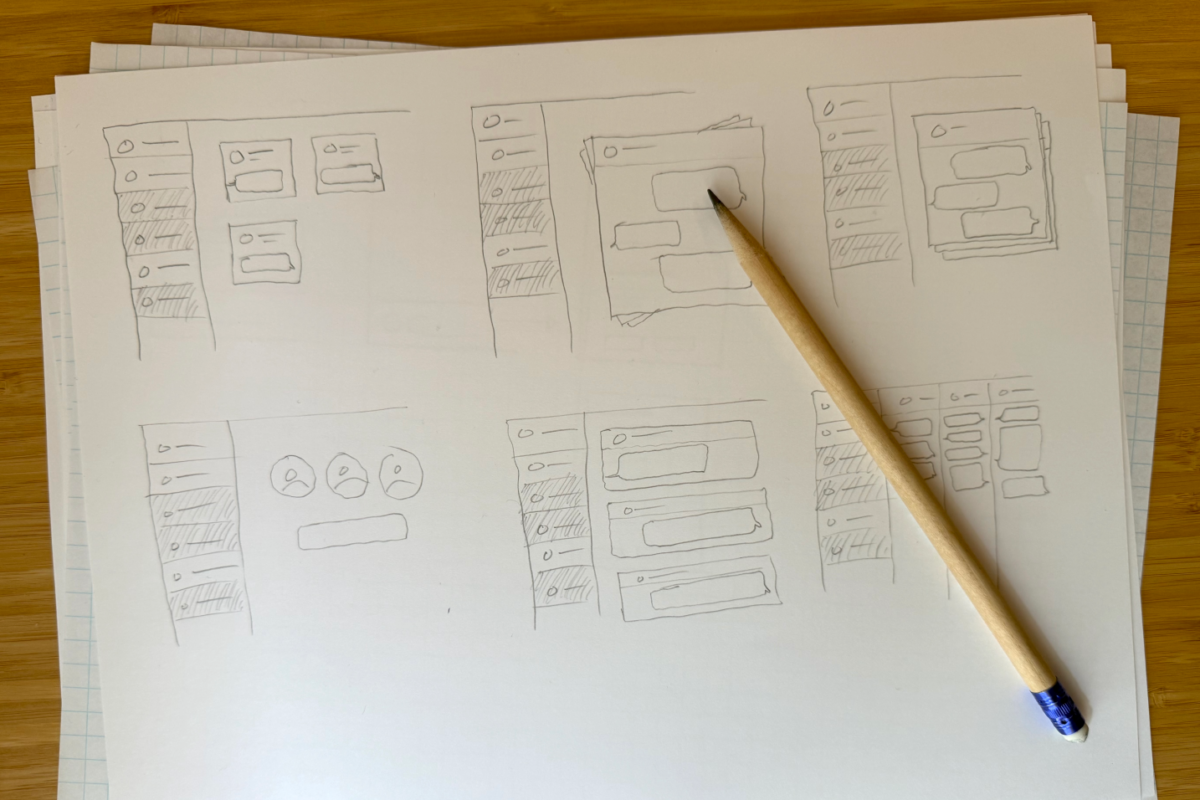
Figma is great at making things look resolved. That’s exactly the problem.
Read essay →